When two drivers with the same size scratch get two different quotes, the reason is often the paint itself. The type of finish on your car changes how hard it is to match, how it has to be applied, and how much of the surrounding panel a painter needs to blend into. This guide explains the three main finishes, why metallic and pearl cost more to put right than a flat solid colour, and what that means when you ask for a respray quote.
The three main finishes
Almost every factory car paint falls into one of three groups. They look different because they handle light in different ways.
- Solid. A single colour with no added sparkle. Think basic white, black, or a flat red. Light hits the surface and bounces straight back, so the colour looks the same from every angle. This is the simplest paint to make and the simplest to repair.
- Metallic. The same coloured base with tiny aluminium flakes mixed in. Those flakes catch the light, which is why a metallic panel seems to shift and shimmer as you walk past it or as the sun moves. Most modern cars are metallic.
- Pearlescent (pearl). Instead of metal flakes, pearl paints use mica or ceramic crystals that both reflect and bend light. The result is a deeper colour that can appear to change tone with the angle, a white that looks faintly gold or pink in the right light, for example. Pearl is the most involved of the three to apply.
You can usually tell which you have from your paint code. The plate or sticker that lists it (often in the door shut, under the bonnet or in the boot) is what a painter reads to match your colour exactly.
Why metallic and pearl are harder to repair
With a solid colour, the painter is matching one flat tone. Spray it on, lacquer over it, done. Metallic and pearl add a second problem on top of the colour: the sparkle has to match too.
The flakes in metallic paint sit at a certain density and lie in a certain direction once sprayed. Spray the repair patch with a slightly different gun setting, distance or technique and the flakes land differently, so the repaired area catches the light differently from the panel next to it. The colour can be a perfect match and the repair still stands out, because the metallic effect does not line up.
Pearl is harder again. Many pearl finishes are a three-stage paint: a base colour, then a separate pearl or mid-coat that carries the crystals, then clear lacquer on top. Each layer has to go on at the right thickness, because the depth of the pearl effect depends on how many coats sit over the base. Too few and it looks flat, too many and the tone shifts. Matching that across an old, slightly faded panel and a fresh repair takes real care.
The colour can match perfectly and a metallic repair can still show, because it is the sparkle and the way the flakes catch light that have to line up, not just the tone.
Why blending costs more time
This is the part that surprises people. With a solid colour, a painter can often spray just the damaged area and the repair disappears. With metallic and pearl, that rarely works, because even a good colour match shows a hard edge where the new sparkle meets the old.
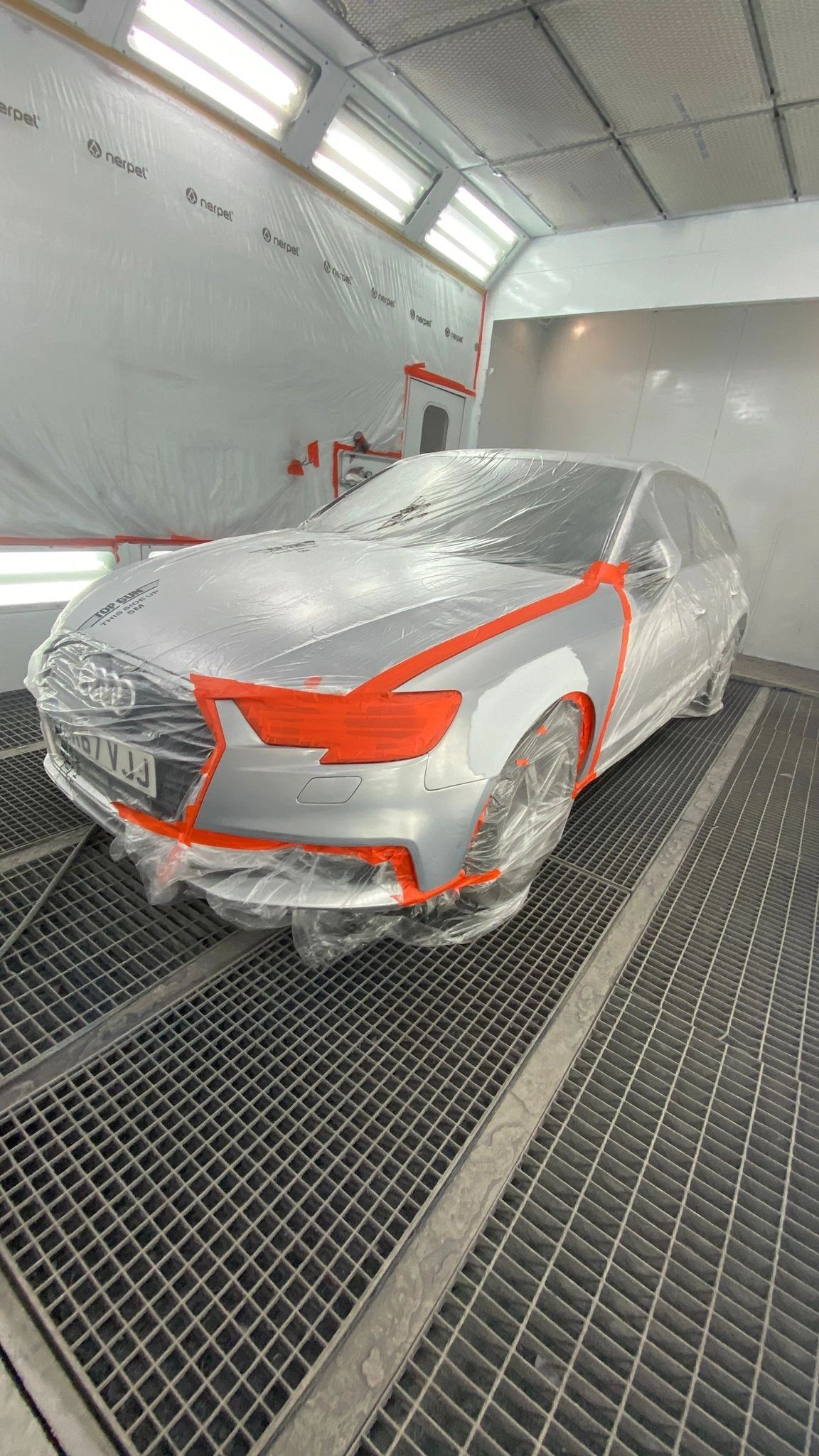
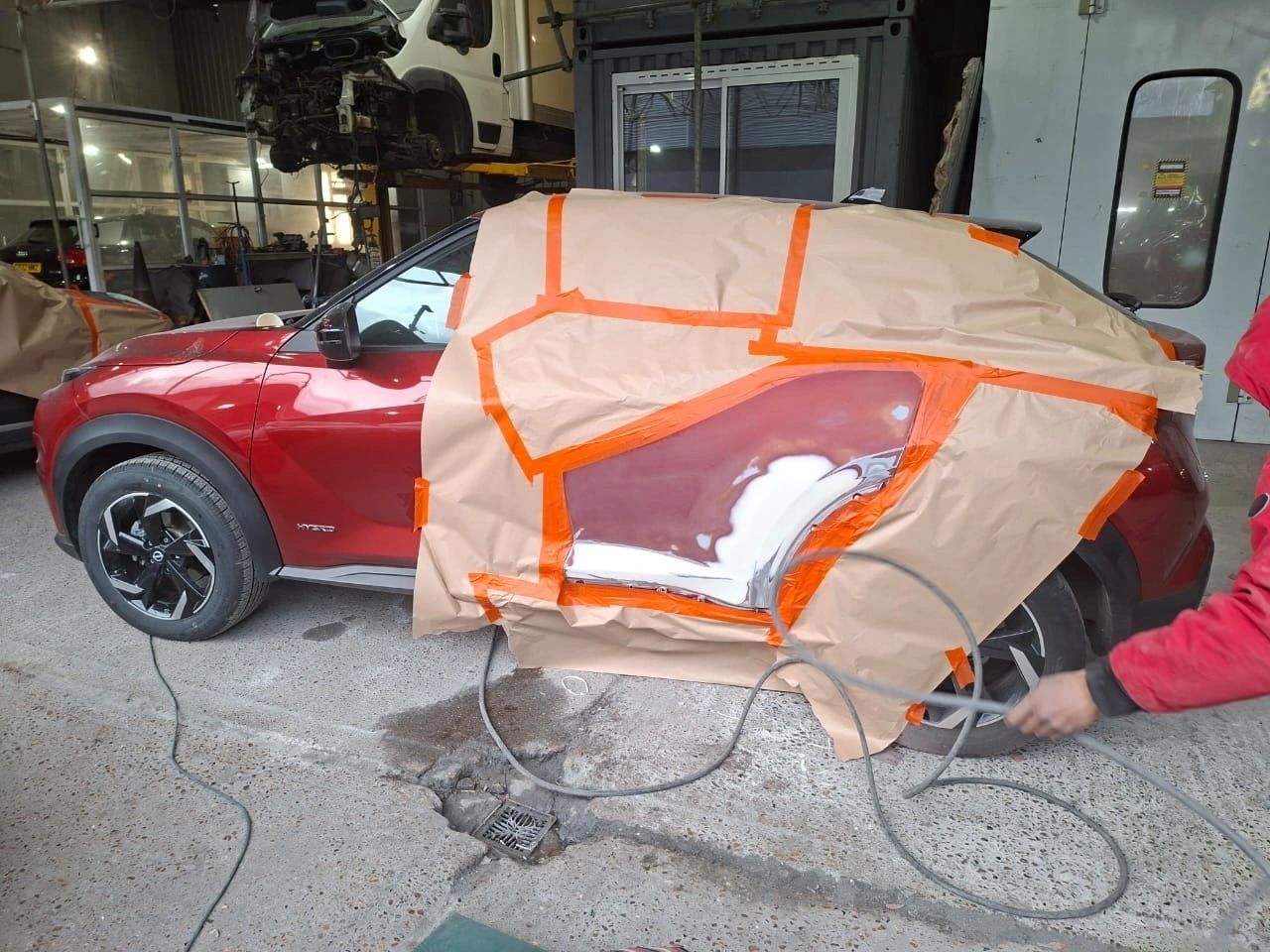
The fix is blending. Instead of stopping at the panel edge, the painter feathers the new paint out into the neighbouring panels, fading the colour and the metallic effect so there is no line for your eye to catch. A scratch on one door might mean blending into the door in front and behind it. That uses more paint, more masking and more time, which is the main reason a metallic or pearl repair quotes higher than the same damage on a solid colour. Pearl, with its extra coat, adds the most time of the three.
Matt and special finishes
A few cars wear finishes outside these three. Matt and satin paints have no gloss lacquer, so they cannot be polished or buffed the way normal paint can, and they need specialist products to match. Some premium colours use coloured pearls or extra coats that push the work, and the cost, higher still. If your car has one of these, say so when you ask for a quote, because it changes the job.
What this means for your quote
None of this means a metallic or pearl repair is bad value. It means the price reflects real extra work: matching the sparkle, not just the colour, and blending into panels around the damage so the repair is invisible. A solid-colour repair on a single panel is the quickest and cheapest. The same damage on a pearl finish costs more because it takes longer to get right.
For a single scratch or scuff, the difference is modest. For a larger job it grows, which is worth bearing in mind if you are weighing a repair against a full respray or a colour change. Our guide to car respray cost in the UK breaks down the bands, and if you are deciding whether a small mark even needs paint, see how much it costs to fix a car scratch. If you want a different colour entirely, the rules and pricing are covered in car colour change cost and DVLA rules, and a vinyl wrap is sometimes a cheaper, removable route for a fresh look.
How a good bodyshop gets it invisible
The skill in a metallic or pearl repair is all in the blend. A painter matches to your paint code, then test-sprays the colour on a card to check it against your panel in daylight, adjusting the mix until the sparkle and tone both sit right. The repair is sprayed, then faded out into the surrounding panels so there is no edge. Done properly, you cannot find where the old paint stops and the new starts, even on a tricky pearl.
When you bring a car to us in Tottenham Hale, we tell you straight what finish you have and what the repair needs, then quote on the actual work. We match and blend metallics and pearls so the repair is not noticeable, and we work on cars and vans of all makes for drivers across North London. We are open every day from 08:00 to 22:00. Call us on 020 3582 3444 or message on WhatsApp and bring the car in for a free look.
Good to know
How can I tell if my car is solid, metallic or pearlescent?+
Your paint code tells you. It is usually on a plate or sticker in the door shut, under the bonnet or in the boot. Metallic paints have a visible sparkle that shifts as you move around the car, pearl finishes change tone slightly with the angle, and solid colours look the same from every direction. We can confirm it when we see the car.
Why does a metallic repair cost more than a solid colour?+
Two reasons. The painter has to match the sparkle and the way the metallic flakes catch light, not just the colour, which takes more care. And the repair has to be blended into the panels around the damage so there is no visible edge, which uses more paint and more time than spraying a single panel.
Is pearlescent paint more expensive to repair than metallic?+
Usually a little, yes. Many pearl finishes are a three-stage paint: a base colour, a separate pearl coat, then lacquer. The extra coat takes more time to apply and to match across an existing panel, so a pearl repair often quotes slightly higher than the same job on a metallic.
Will a metallic or pearl repair be noticeable?+
Not when it is done properly. We match to your paint code, test the colour against your panel in daylight, and blend the repair out into the surrounding panels so the sparkle and tone line up. Done right, you cannot see where the new paint meets the old, even on pearl.
Get a free, no-obligation quote
Bodywork and mechanical under one roof in Tottenham Hale. Open every day, 08:00 to 22:00. Call, message on WhatsApp, or request a quote.