A car service is a planned check and refresh of the parts that wear out as you drive. Done on time, it keeps the engine running cleanly, catches small faults before they turn into big repair bills, and helps the car hold its value. People often mix up a service with an MOT, but they are two different things, and you usually need both. Here is what a service actually covers, how the interim and full versions differ, and how often your car needs one.
Interim service vs full service
Most garages offer two levels of service. The right one depends on how many miles you cover and how long it has been since the last visit.
Interim service
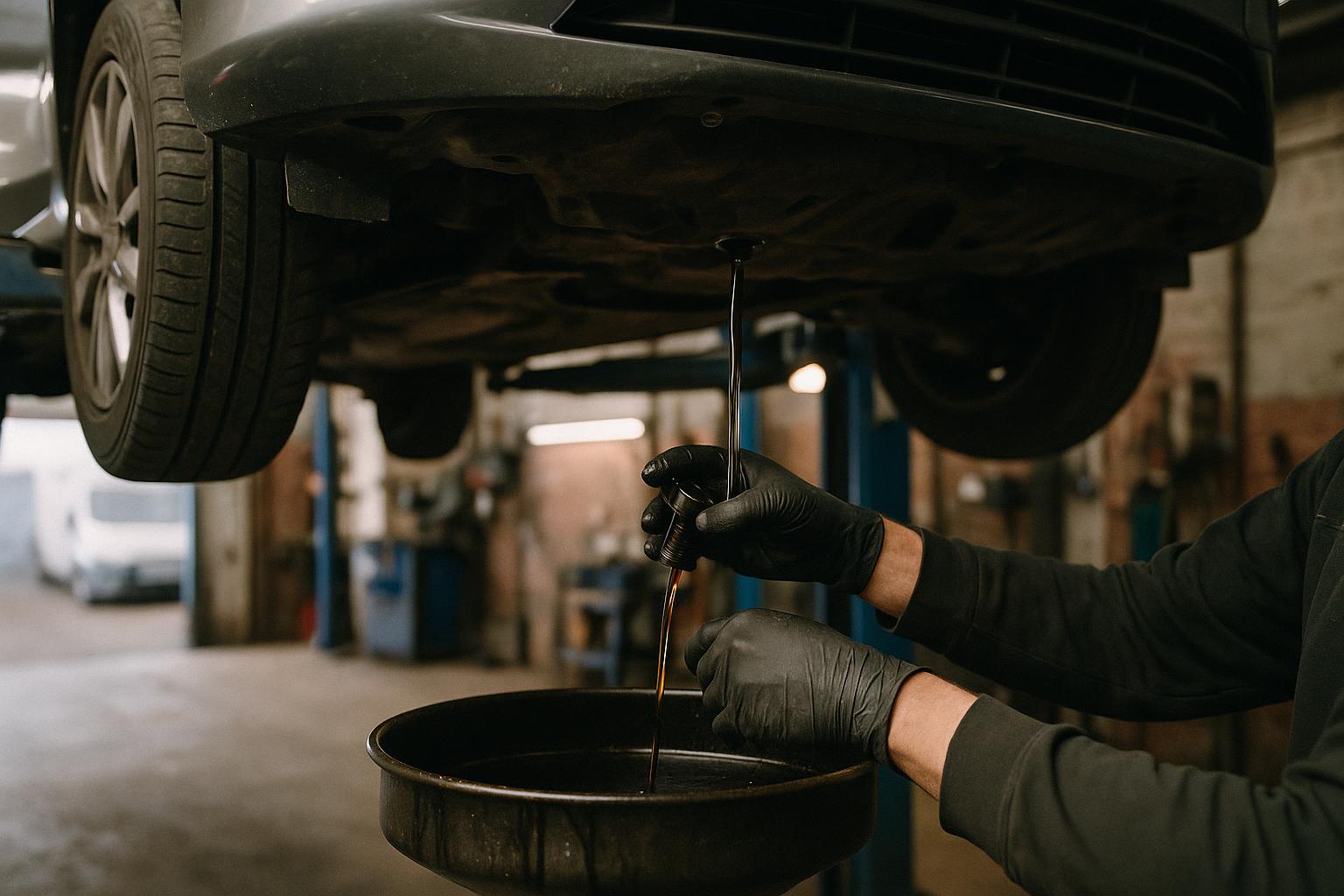
An interim service is the lighter option, usually done every six months or around every 6,000 miles for cars that do high mileage or short stop-start trips. It is built around an engine oil and filter change plus a set of safety and condition checks. If you drive a lot, an interim service between full services keeps the oil fresh and gives someone a chance to spot wear early.
Full service
A full service is the bigger annual check. It includes everything in the interim service and adds more replacement items and deeper inspection, for example more of the filters, a closer look at the brakes, suspension, steering and exhaust, and more fluid checks and top-ups. If your car only sees one service a year, make it a full one.
What gets checked and changed in a service
The exact list varies by garage and by what your car's handbook calls for, but a typical car service covers the items below.
- Engine oil and oil filter. Old oil gets drained and replaced, and the oil filter is swapped. Clean oil protects the engine and is the single most important part of a service.
- Filters. Air filter, and on a full service often the fuel and cabin (pollen) filters too, depending on the schedule.
- Fluids. Coolant, brake fluid, power steering fluid and screen wash are checked and topped up. Brake fluid in particular is checked because it absorbs moisture over time.
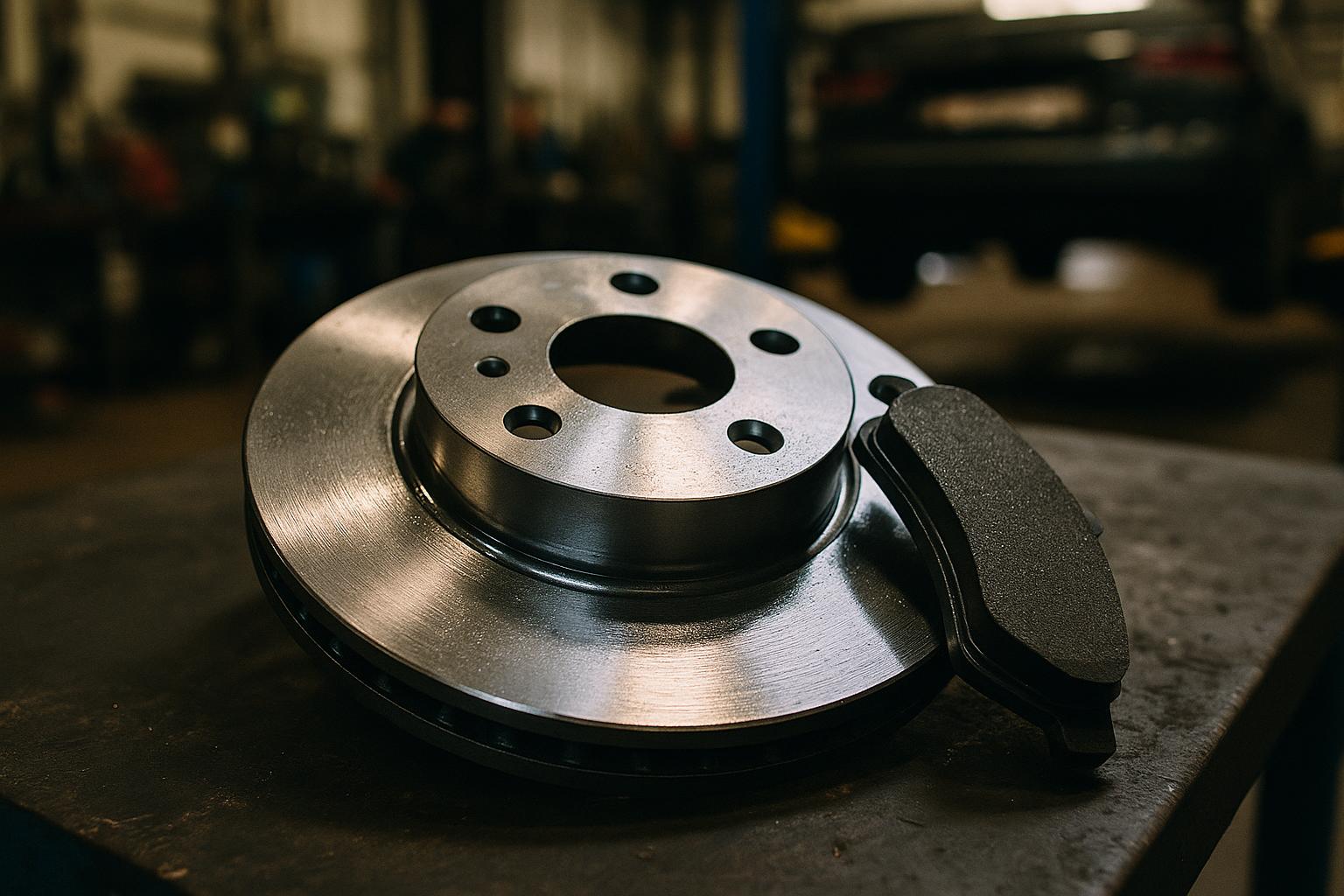
- Brakes. Pads, discs and the handbrake are inspected for wear and uneven braking. If they are close to the limit you will be told before they become a safety problem. If they need doing, that is a brake replacement job.
- Tyres. Tread depth, condition and pressures, including the spare where there is one.
- Lights, wipers and battery. A general electrical and visibility check.
- A health check of the rest. Suspension, steering, exhaust, belts, hoses and any visible leaks. This is where a good mechanic earns their keep, by flagging the things you cannot see from the driver's seat.
At the end you should get a clear note of what was done and what needs watching, so there are no surprises next time.
How a service is different from an MOT
This trips a lot of people up. An MOT is a legal test, required once a year on cars over three years old, that checks your car meets minimum road safety and emissions standards on the day. It is pass or fail, and the tester does not fix anything or change your oil. A service is preventative maintenance: nobody is required by law to service their car, but it keeps the car healthy and reduces the chance of a breakdown or a failed MOT later.
Put simply: an MOT tells you whether the car is roadworthy today. A service helps make sure it stays that way.
Because they overlap, a service is a sensible thing to do shortly before your MOT is due. Many of the same parts get looked at, so problems can be sorted in advance. If you want to go in prepared, our guide to MOT preparation walks through the common reasons cars fail and how to avoid them. There is also a longer read on how to pass your MOT first time if you want the detail.
How often do you need a service?
The short answer is roughly once a year, or sooner if you hit a mileage limit first. Whichever comes first is the one to go by. The exact figures depend on the car, so the handbook is the place to check, but as a rough guide:
- Full service: once a year, or around every 12,000 miles.
- Interim service: every six months or around every 6,000 miles, useful if you do a lot of miles or mostly short journeys.
A few things shorten the interval. Lots of short trips, towing, heavy city traffic and older engines all put more strain on the oil and the parts around it. If any of that sounds like your driving, lean towards servicing more often rather than less.
Why regular servicing is worth it
The main reason to service on time is that small problems are cheap to fix and big ones are not. A worn brake pad caught at a service is a routine job. The same pad left until it scores the disc is a larger bill, and a brake fluid leak left unchecked is a safety risk. The same logic applies to a slow coolant leak, a perished belt or a tired battery. If you have noticed anything off with your braking, our piece on the signs your brakes need replacing is worth a look.
Regular servicing also keeps a record of the car's history, which helps when you come to sell, and it lowers the odds of being stranded by a fault that gave plenty of warning. We handle both bodywork and mechanical work under one roof, so a service and any follow-up repairs can be done in the same place. You can see more on the home page, and the areas we cover across North London are listed on our areas we cover page.
Book a service or get a free quote
If your car is due a service, or you are not sure when it last had one, we can take a look and tell you what it needs. We work on cars and vans of all makes, and quotes are free. Call us on 020 3582 3444, or message us on WhatsApp. We are open every day from 08:00 to 22:00, so there is no rush to fit it into a working week.
Good to know
What is the difference between an interim and a full service?+
An interim service is the lighter, usually six-monthly check built around an oil and filter change plus core safety inspections. A full service is the larger annual check that includes everything in the interim service plus more filters, deeper inspection of brakes, suspension and steering, and more fluid checks. If your car is serviced once a year, make it a full one.
Is a car service the same as an MOT?+
No. An MOT is a legal annual test that checks your car meets minimum road safety and emissions standards, and it is pass or fail. A service is preventative maintenance that changes oil and filters and checks for wear. The MOT tester does not service the car. Many people do a service shortly before the MOT so any problems get fixed in advance.
How often should I service my car?+
Roughly once a year for a full service, or around every 12,000 miles, whichever comes first. An interim service every six months or about every 6,000 miles suits high-mileage drivers or lots of short trips. Always check your car's handbook for the exact figures, as they vary by make and model.
Do you service cars and vans of all makes?+
Yes. We service cars and vans of all makes at our garage at 59 Garman Rd, London N17 0UN, in Tottenham Hale. Quotes are free and we are open every day from 08:00 to 22:00. Call 020 3582 3444 or message us on WhatsApp to book.
Get a free, no-obligation quote
Bodywork and mechanical under one roof in Tottenham Hale. Open every day, 08:00 to 22:00. Call, message on WhatsApp, or request a quote.