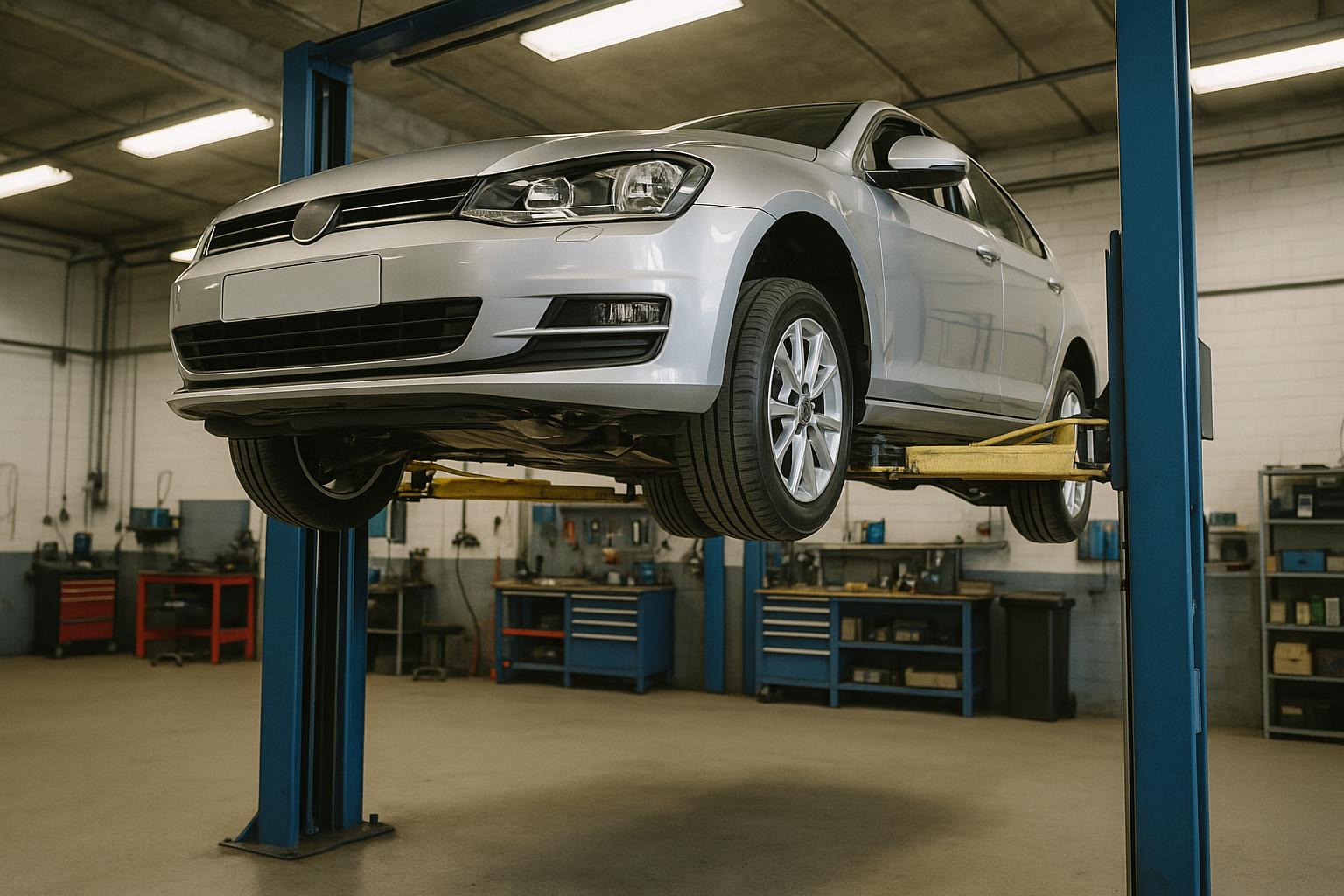
A lot of MOT failures come down to small things the driver could have spotted in five minutes on the driveway. A blown bulb, a worn wiper blade, a tyre below the legal tread depth. None of those need a garage to find, and fixing them before the test saves you a retest and the hassle of a second trip. This is a plain checklist of the areas you can look at yourself, plus what to do if your car has already failed.
We run bodywork, welding and mechanical work under one roof in Tottenham Hale, so we see the full range of MOT problems. The checks below are the ones that catch people out most often.
Pre-MOT check vs the test itself
It helps to be clear on the difference. The MOT test is the official inspection that decides whether your car is roadworthy for another year. A pre-MOT check is the look-over you (or a garage) do beforehand to find and fix faults so the car passes cleanly. They are not the same thing, and a pre-MOT check is not a substitute for the test.
What we do is the preparation and repair side. If you want a thorough once-over before the test, or if your car has already failed and needs work, our MOT preparation service covers the inspection and the fixes. We do not issue the certificate ourselves, but we get the car into a state where it should pass.
The checklist you can do at home
You will need ten minutes, a friend to watch the lights, and a 20p coin for the tyres. Work through the list in order.
Lights and bulbs
- Walk round the car with the ignition on. Check headlights on dip and main beam, sidelights, indicators front and rear, hazards, brake lights and the rear fog light.
- Get someone to stand behind while you press the brake pedal, so you can confirm all brake lights work, including the high-level one.
- Check the number plate light. It is small and easy to forget, and a dead one is a common failure.
- Lenses should be clear and not cracked or filled with water.
Tyres and tread
- The legal minimum tread depth is 1.6mm across the central three-quarters of the tyre. Drop a 20p coin into the tread groove. If you can see the outer band of the coin, the tread is likely too low.
- Look for bulges, cuts, or cords showing through. Any of these will fail.
- Check the tyres are inflated and wearing evenly. Uneven wear on one edge can point to a suspension or alignment fault worth looking at.
- Don't forget the spare if your car has one fitted as a road wheel.
Wipers, washers and screenwash
- Run the wipers. Blades that smear, judder or leave streaks will fail, so replace tired ones.
- Top up the screenwash. An empty washer bottle is a straightforward fail, and it is a two-minute fix.
- Check the washer jets actually spray the screen.
Number plate, mirrors and seatbelts
- The number plate must be clean, secure and readable, with the correct font and spacing. Cracked or faded plates can fail.
- Wing mirrors and the interior mirror must be present and not cracked.
- Pull each seatbelt sharply to check it locks, then check it retracts. Look over the webbing for fraying or cuts.
Warning lights
- Turn the ignition on and watch the dashboard. Warning lights should come on briefly then go out. Anything that stays lit (engine management, airbag, ABS) is a likely fail and worth diagnosing before the test.
The things you can feel and hear
Some faults don't show up in a visual check but you notice them when you drive. Pay attention to these on your next few journeys before the test.
Brakes
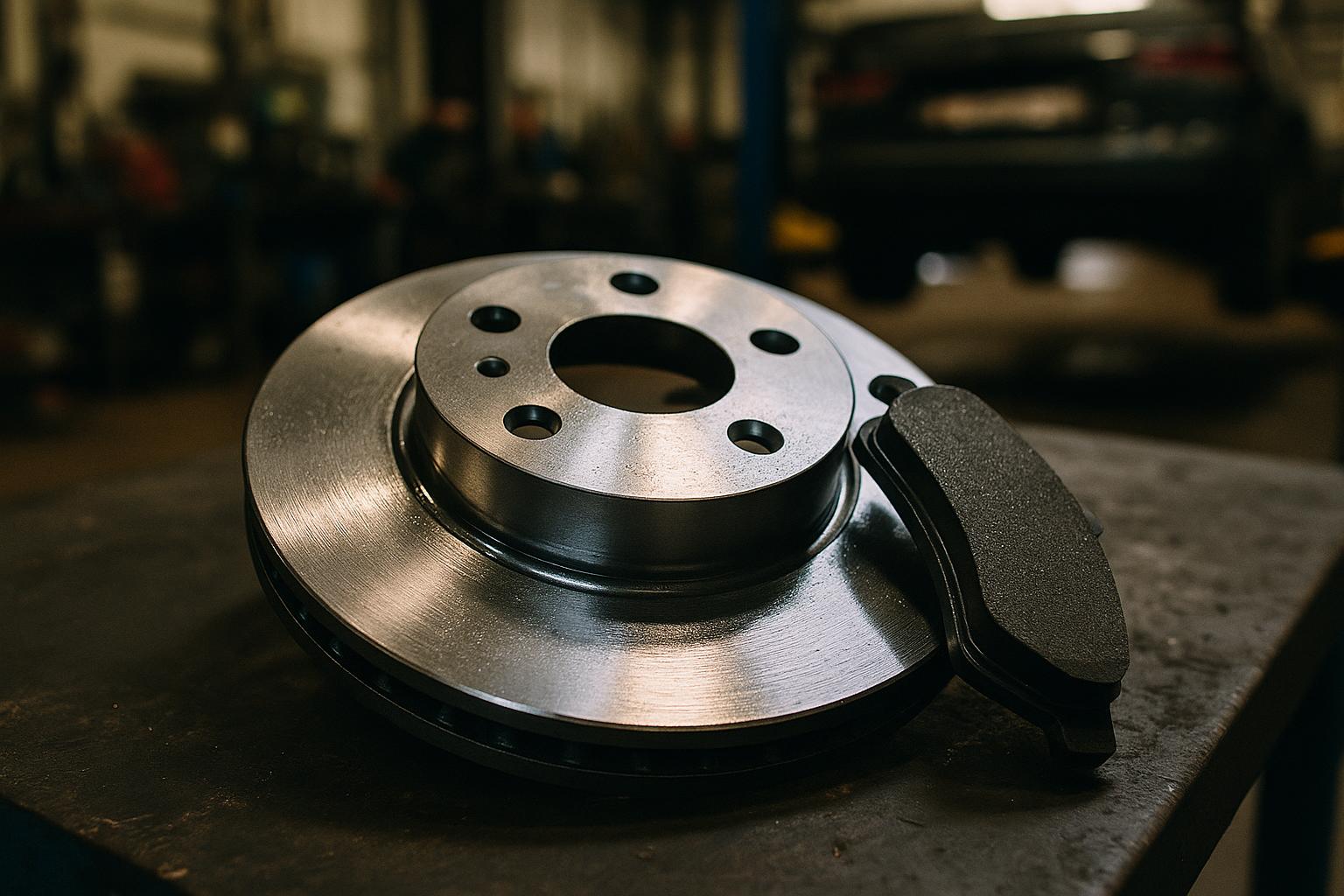
The brake pedal should feel firm, not spongy or sinking. The car should pull up straight rather than veering to one side. A grinding or squealing noise, or a pedal that needs pumping, all point to worn pads, discs or a fluid problem. Brakes are one of the most common MOT failure areas, so if anything feels off, read our guide on the signs your brakes need replacing and get them looked at. We handle brake replacement for cars and vans of all makes.
Suspension and steering
Listen for knocks or clunks over bumps and speed bumps. A car that bounces more than once or twice after you push down on a corner may have worn shock absorbers. Vague or heavy steering, or a clonk when turning, can mean worn joints. These are common failures and we cover them under suspension repair.
Exhaust noise
An exhaust that has got noticeably louder, or that rattles and blows, usually has a leak or a failing section. That can fail on noise and emissions. Get it checked rather than hoping it holds.
Rust and corrosion
Visible rust is one area people underestimate. Surface rust on a panel is cosmetic, but corrosion on or near structural areas (sills, subframe mounts, suspension mounts, brake lines) is a serious failure because it affects how safe the car is. If you can see flaking, holes or crumbling metal underneath, that needs proper repair.
This is where having bodywork and mechanical together helps. Structural rust often needs cutting out and welding in fresh metal, which we do in-house, so a rust failure can be sorted in one place rather than sending the car between two garages. If you want to understand what a fuller inspection covers, our piece on what a car service includes is a useful read alongside this.
What to do if you have already failed
If your car has failed, don't panic. The tester gives you a failure sheet (the refusal of an MOT test certificate) that lists exactly what went wrong and why. That sheet is the key to a quick fix.
- Bring the failure sheet with you. It tells us precisely what failed, so we can quote and repair without guesswork.
- Get the faults repaired. Whether it is bulbs, brakes, suspension or welding, we can usually deal with the full list under one roof.
- Have the car retested. Depending on the fault and timing, a partial retest may apply once the work is done.
Most failures fall into the everyday categories above, and most are fixable. The point of going through the checklist first is to catch the easy ones yourself and spend the garage visit on the things that actually need tools.
Book a pre-MOT check or a failure repair
If you would rather have someone go over the car properly before the test, or you are holding a failure sheet and need the work done, we can help. We are based at 59 Garman Rd in Tottenham Hale and serve drivers across North London. You can see the full range of work on our home page.
Quotes are free. Call us on 020 3582 3444, or message us on WhatsApp and we will tell you what your car needs. We are open every day, 08:00 to 22:00.
Good to know
How long before my MOT should I do these checks?+
A week or two before gives you time to fix anything you find, like worn wiper blades or a blown bulb, without rushing. Doing the checks the night before still helps, but leaves little room to sort a bigger fault such as brakes or suspension.
What are the most common MOT failures I can avoid myself?+
Lights and bulbs, tyres below the legal 1.6mm tread, worn wiper blades and empty screenwash account for a large share of failures. All of these you can check and fix yourself in a few minutes.
My car failed on rust. Can you fix that?+
Yes. Structural corrosion usually needs the affected metal cut out and fresh metal welded in. We do welding and bodywork in-house at our Tottenham Hale workshop, so a rust failure can be repaired in one place. Bring the failure sheet so we can quote against the exact points listed.
Do you issue the MOT certificate?+
We focus on MOT preparation and repairs: getting your car into a state where it should pass, and fixing failures including brakes, suspension and welding. Call us on 020 3582 3444 or message us on WhatsApp for a free quote.
Get a free, no-obligation quote
Bodywork and mechanical under one roof in Tottenham Hale. Open every day, 08:00 to 22:00. Call, message on WhatsApp, or request a quote.